Design guide
Shiva and Hanuman Kada Design Guide
Compare devotional motifs and product details when choosing a spiritual kada.
2 min read

Design guide · 2 min read
2026-10-01
By Panther Signature Editorial
A spiritual or devotional kada can be chosen for its visual language, cultural association or personal significance. Start by looking closely at the motif and asking what it means to you or to the person who will wear it. Symbolism is personal, and a design should not be presented as a promise of supernatural or health benefits.
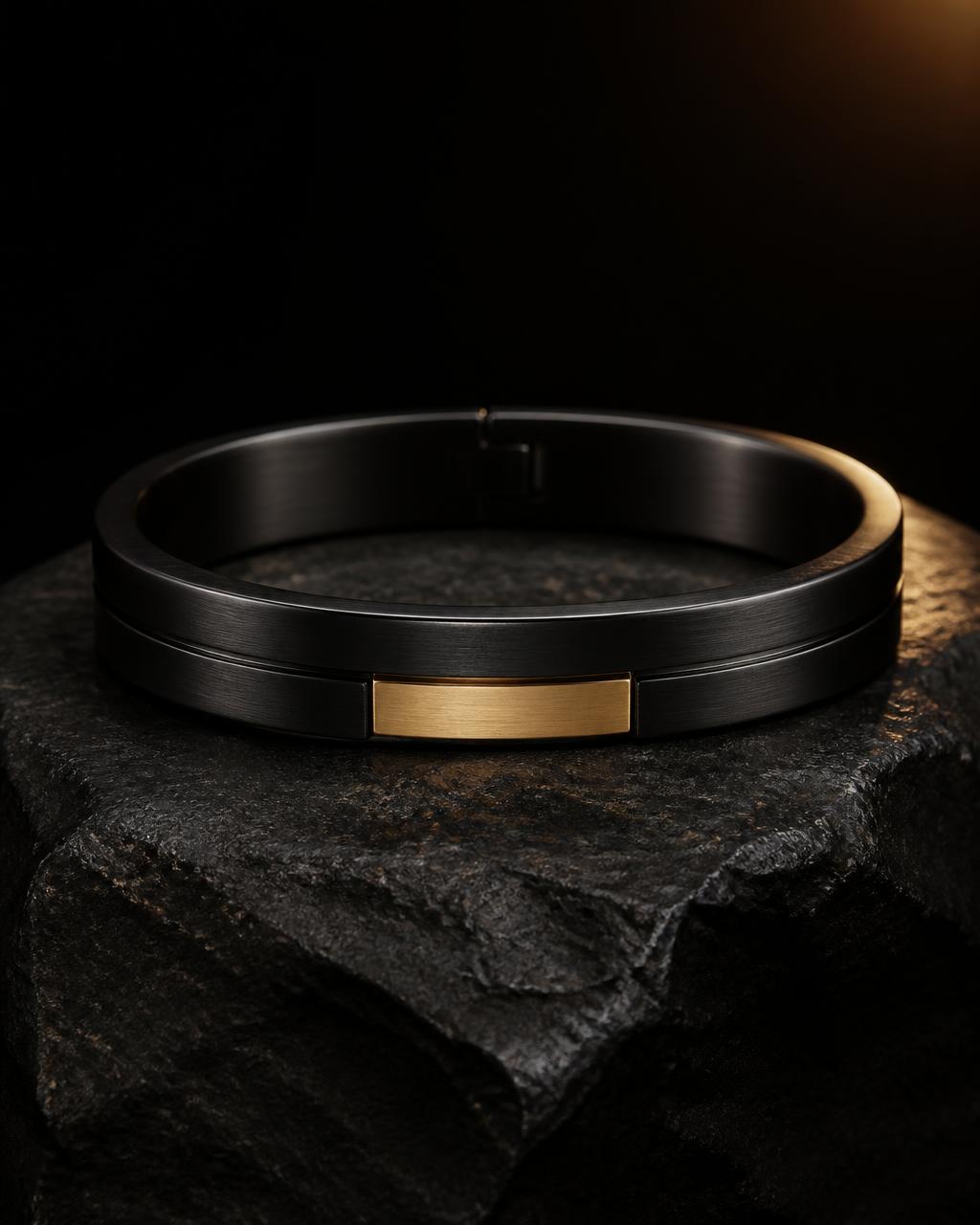
Compare how the symbol is used: it may be engraved, raised, incorporated into a clasp or repeated as a pattern. Product photographs can reveal scale and placement, while the written description should identify the design accurately. If a symbol or inscription is not clear in the listing, ask for clarification rather than guessing.
The rest of the buying decision is practical. Check fit, dimensions, stated materials, finish and any care guidance. A motif may be important, but the piece still needs to feel comfortable and suit the wearer's style. Avoid assuming that a particular finish or symbol is available across all designs.
Consider how the design will be seen in everyday use. A raised motif, a smooth engraved mark and a repeating pattern each create a different amount of visual detail and texture. Look at more than one product photograph where available, and use the listed dimensions to judge scale. If an image does not show a feature clearly, treat the written product details as the source of truth.
Personal meaning can guide the choice without requiring a claim about what the piece will do. Some wearers prefer a symbol that is easy to recognize; others choose a quieter reference that feels private. Think about the recipient's own relationship with the motif and whether they would enjoy wearing it regularly, rather than selecting a design based only on a trend or an assumption.
A useful way to compare two designs is to describe each one plainly: its motif, size, placement, finish and overall level of detail. This keeps the decision focused on what is present in the product rather than broad promises associated with a category. If you are choosing for someone else, their stated preferences and comfort should matter more than your interpretation of the symbol.
Choose a piece because its design resonates with you, not because of claims that cannot be verified. Review the spiritual kada collection and compare each item's actual description and options. For a broader overview of fit and styling, see the men's kada guide.