Materials
Choosing a stone that speaks to you
A simple guide to finding texture and colour with meaning.
5 min read

Materials · 2 min read
2026-10-01
By Panther Signature Editorial
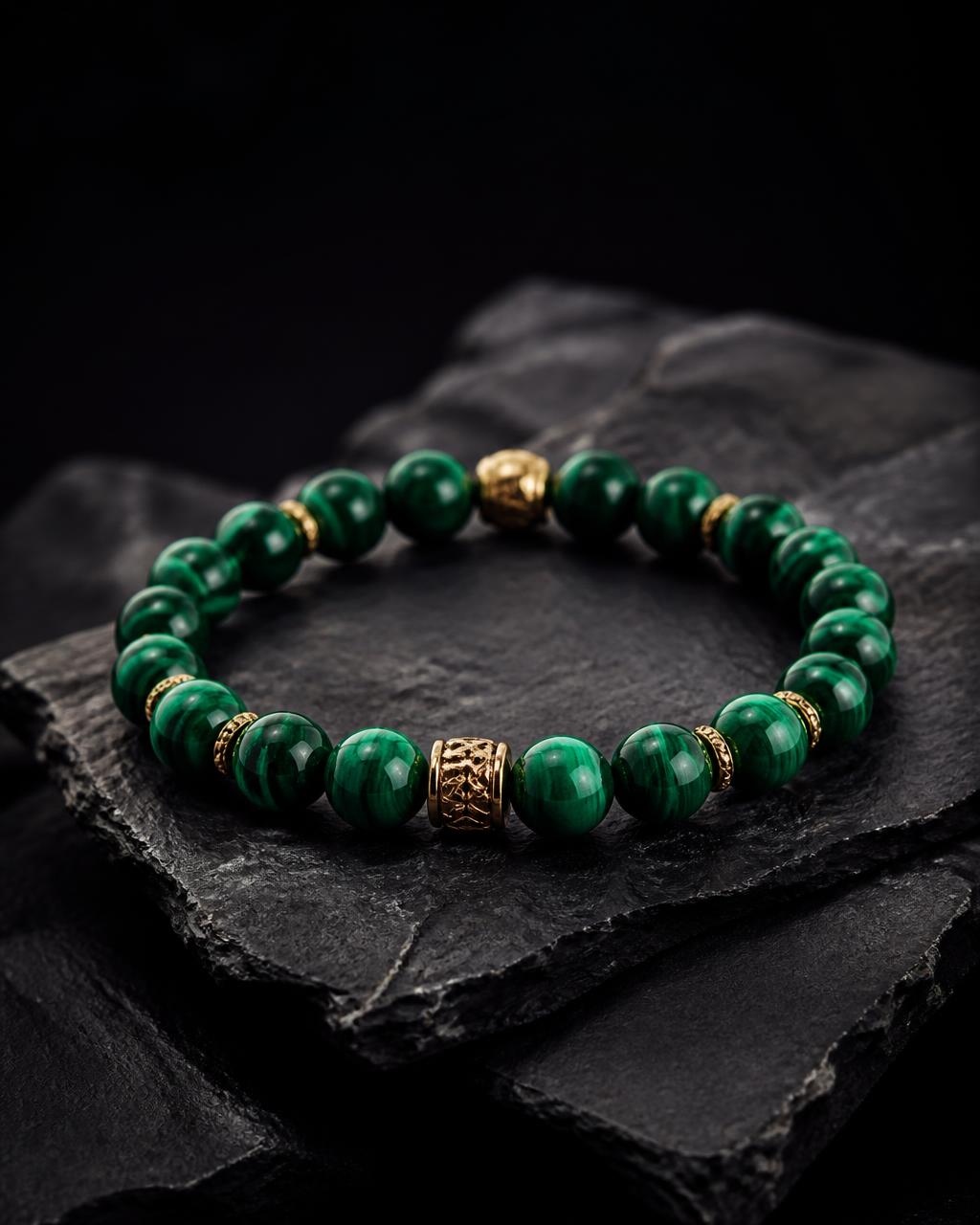
When choosing a gemstone bracelet, begin with the appearance you enjoy wearing. Compare the colour, pattern and bead size in the product images. Natural materials can vary in appearance, so look for the product-specific description and photographs rather than expecting every bead to look identical.
Confirm the material name in the listing. A dark bead or a particular colour is not enough to identify a stone, and a product should not be assigned a mineral name based on appearance alone. If the listing does not identify a stone, treat the material as unspecified and ask the retailer for accurate information.
Fit and construction matter as much as colour. Check whether the bracelet uses elastic, a clasp or another closure, and follow the published measurement guidance. Consider bead diameter and bracelet length together: the same wrist measurement can feel different with larger beads or a close-fitting design.
Photographs can help you compare bead scale and pattern, but screens, lighting and individual natural materials can affect how colour appears. Treat images as a visual guide rather than a guarantee that every bead will be identical. If consistency, a particular hue or a specific stone matters to you, look for an explicit product statement or ask the seller before relying on an assumption.
Separate the material question from any symbolism attached to it. People may choose a stone for colour, texture, cultural meaning or personal preference, but those associations should not be presented as medical or guaranteed effects. A clear product listing should state what the bracelet is made from; use that information to decide whether it suits your style and expectations.
If you are comparing several bead bracelets, note bead diameter, bracelet length, closure and named material for each one. A small change in bead scale can alter the overall look and the way the bracelet sits, even when the colours are similar. This simple comparison also helps distinguish what the listing confirms from what a photograph only suggests.
For styling, use the bracelet's colour as a point of connection with a watch, neutral clothing or another accessory. One textured piece can add contrast without requiring a matching set. Browse the bracelet collection and read each product's specifications for the exact materials and options.